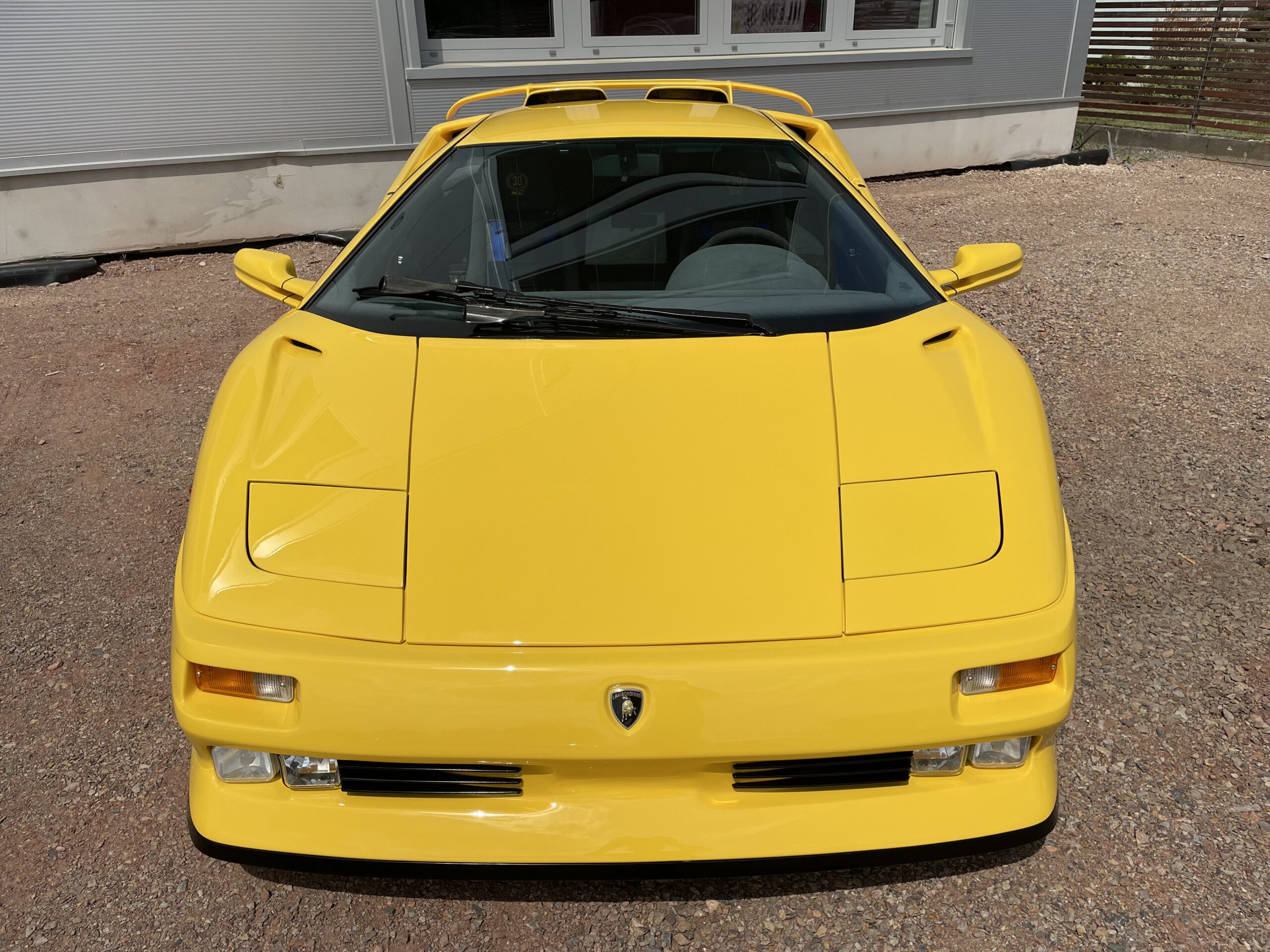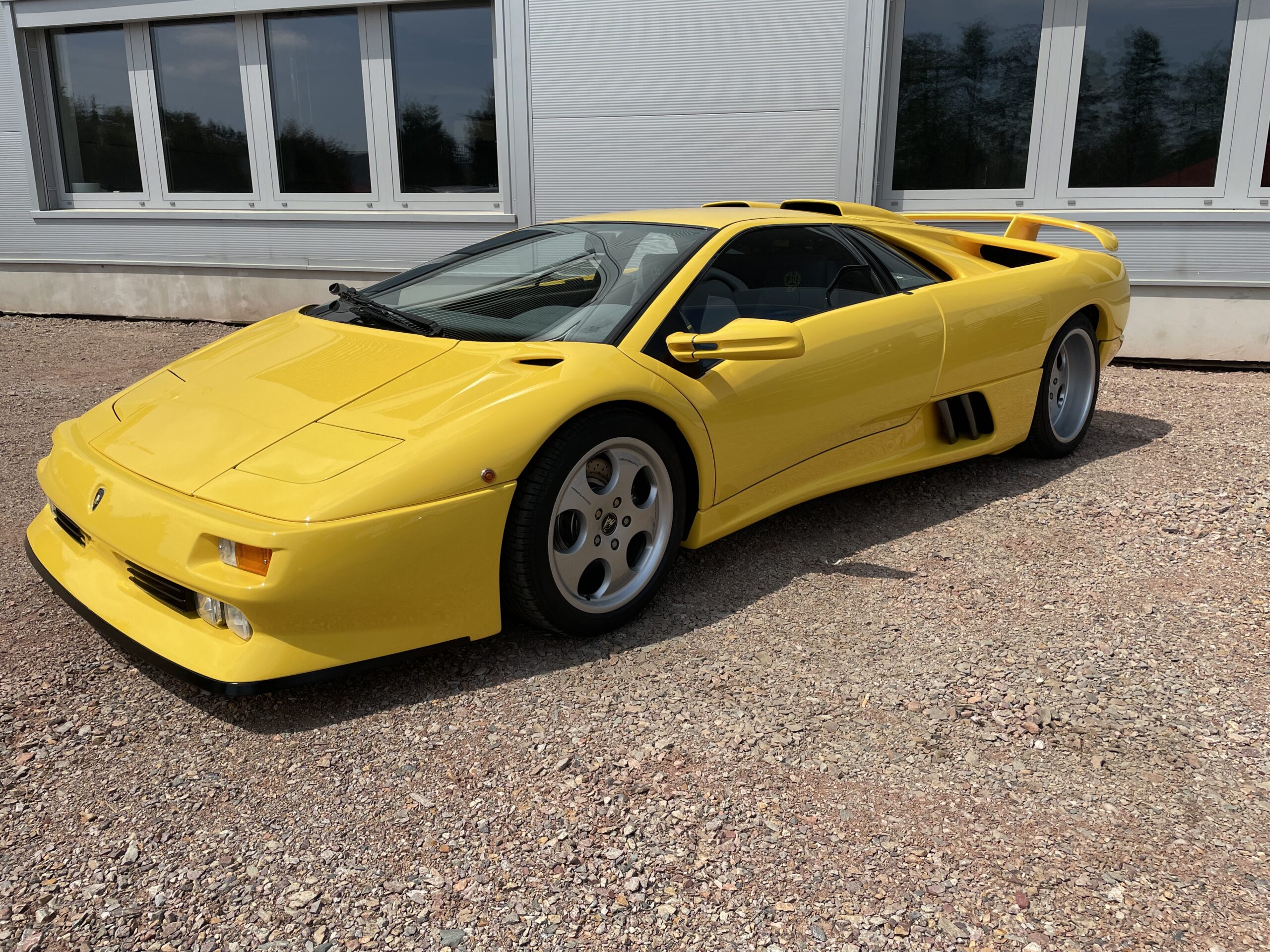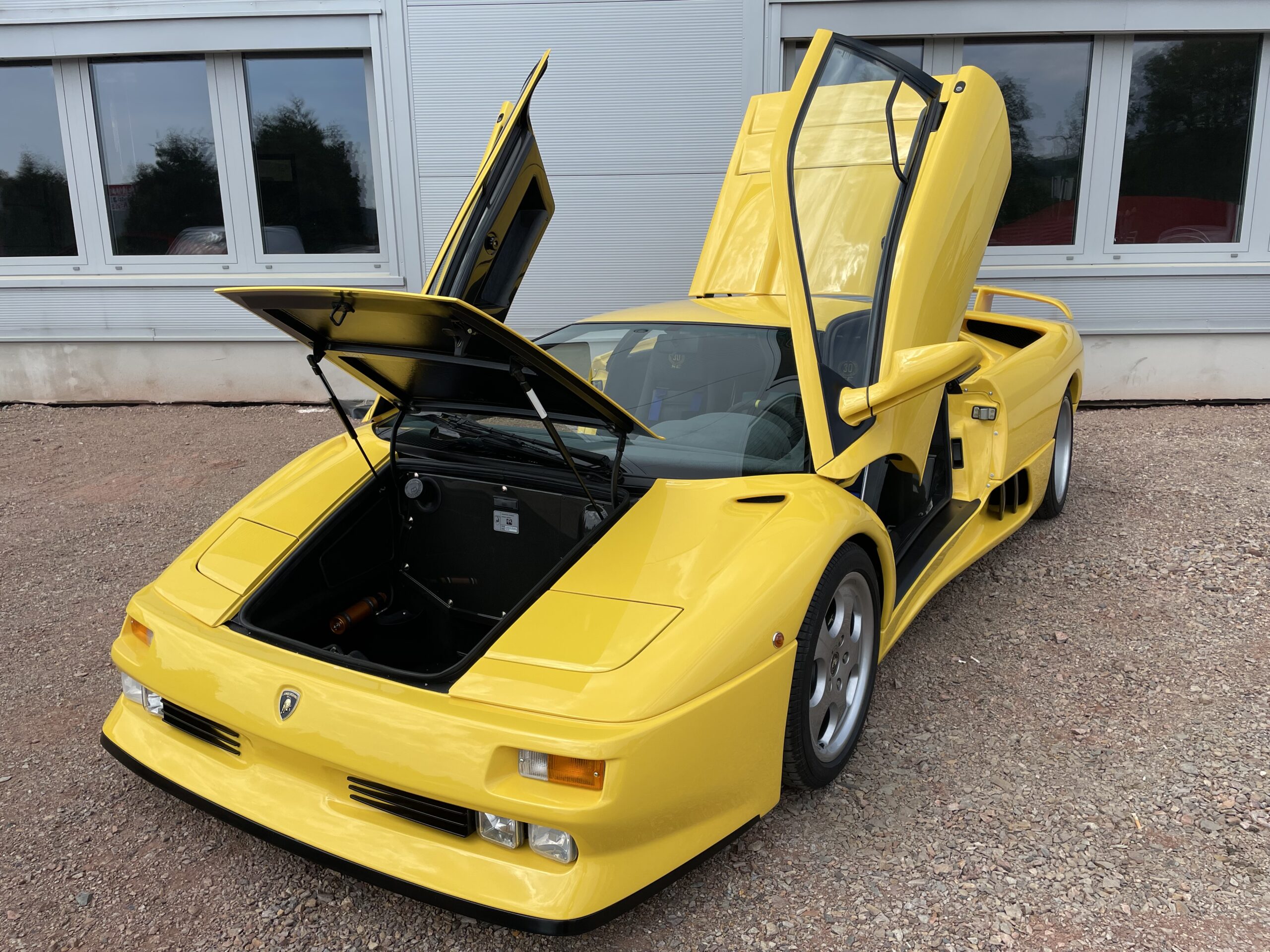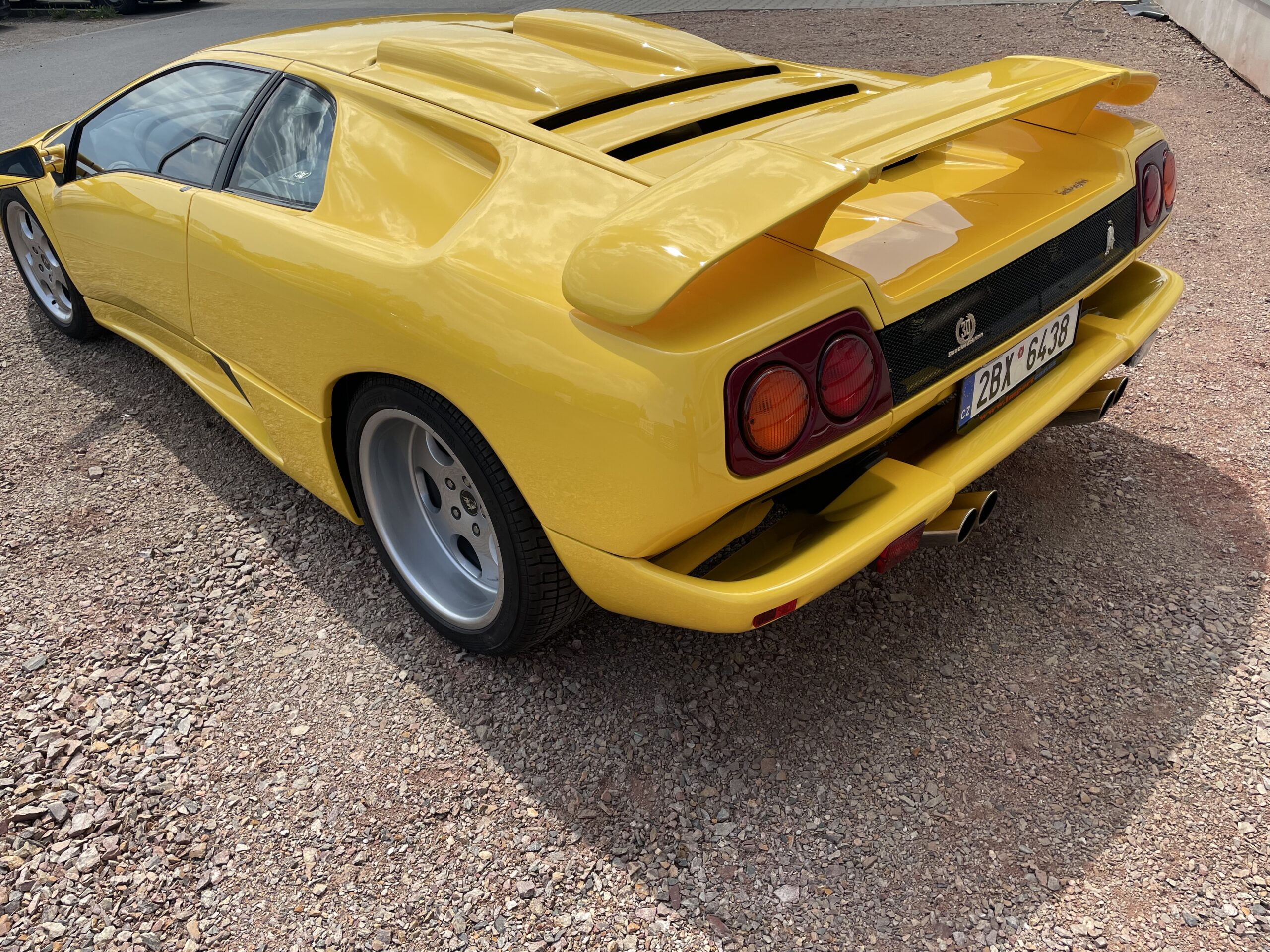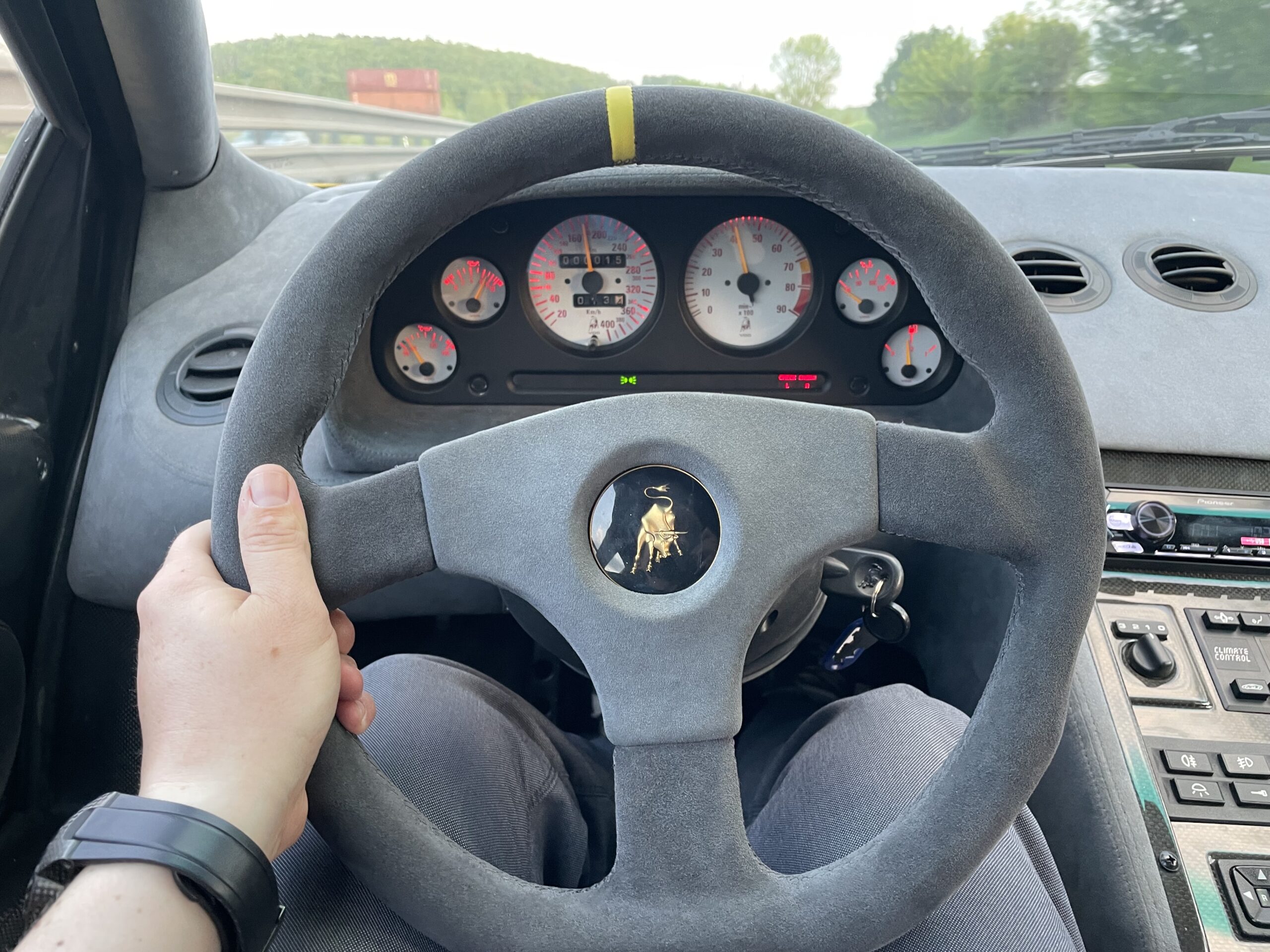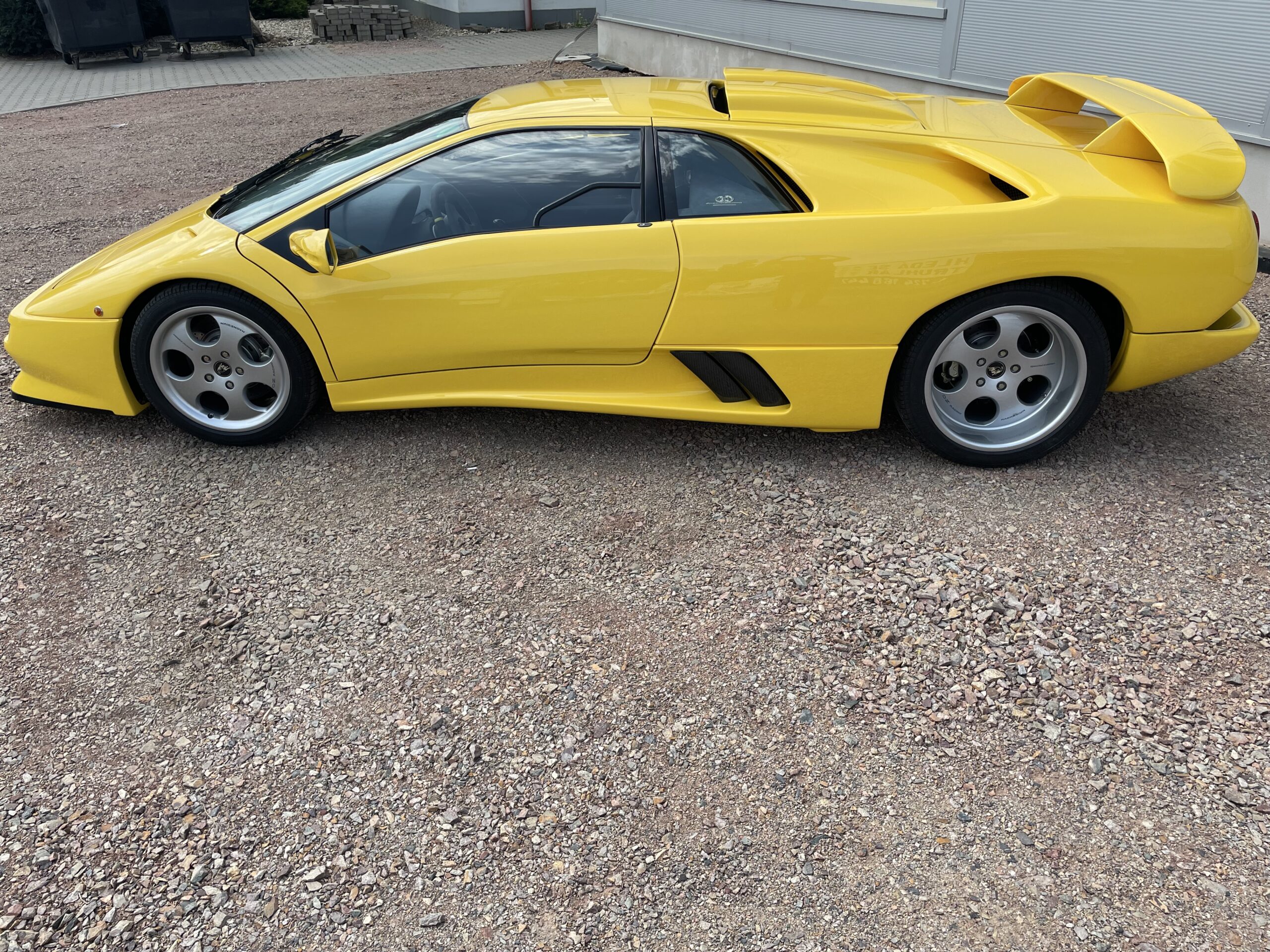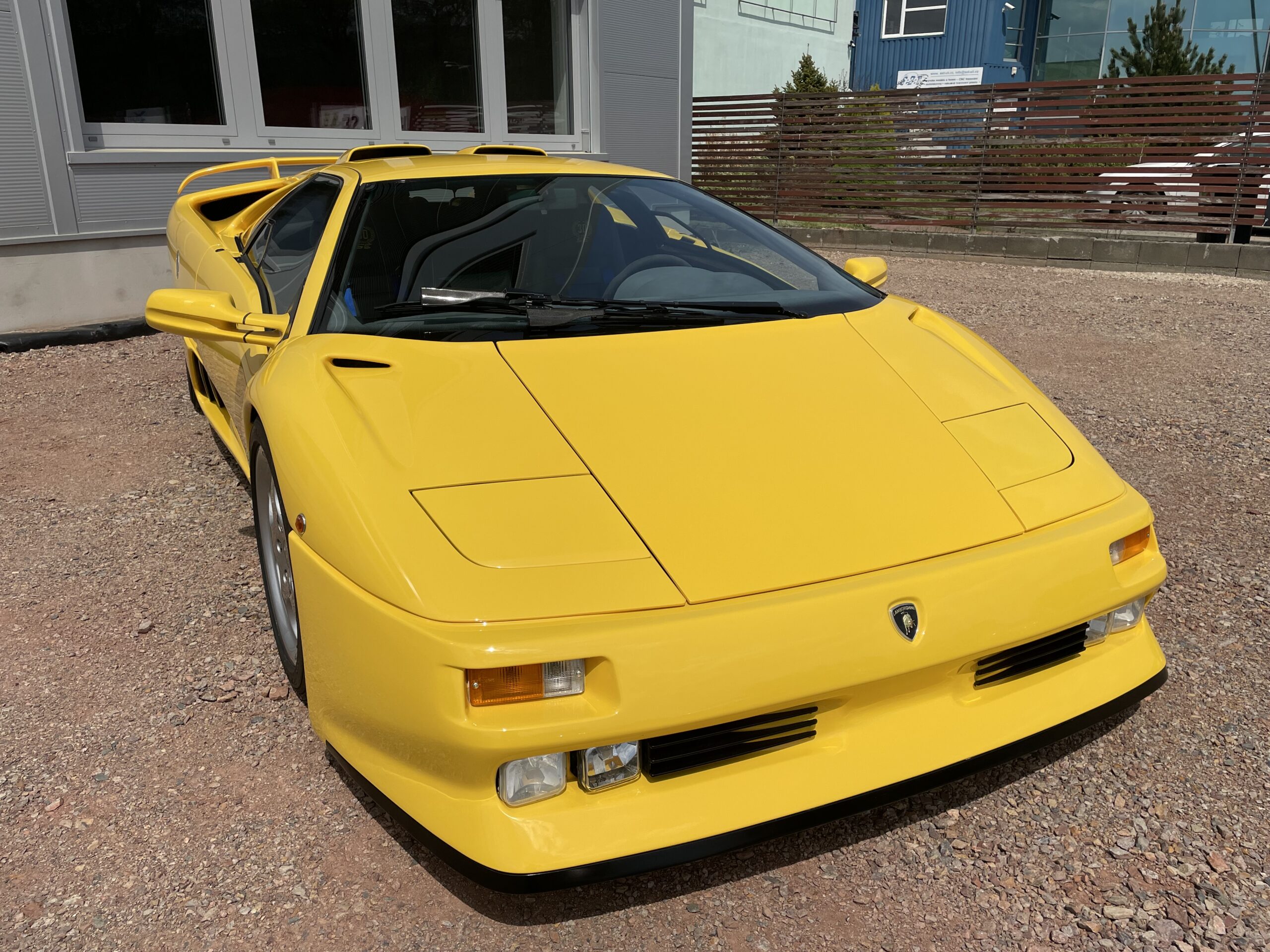
The Lamborghini Diablo SE30 was created in 1994
as a celebration of the brand's 30th anniversary and was exceptional in itself – only 150 units were produced. The SE30 Jota version went even further, representing a racing modification designed specifically for the SE30. It was not a separate production model, but a special conversion with maximum weight reduction and uncompromising performance.
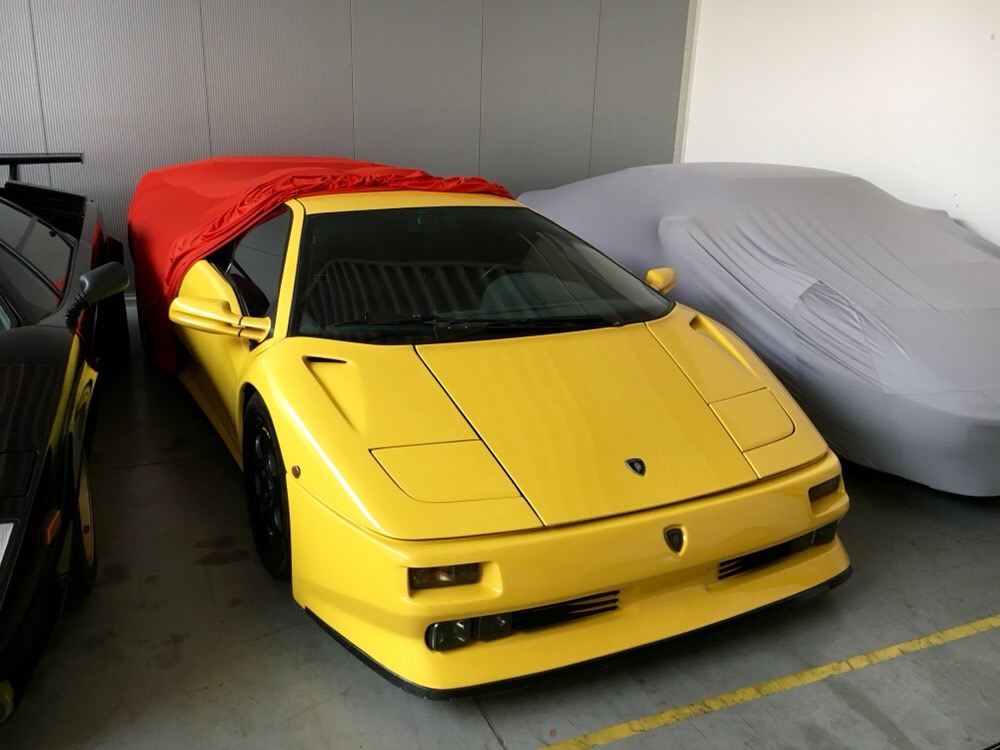
Initial condition of the car
The vehicle had not been serviced for a long time, and there were visible signs of corrosion on parts of the body, but the car was still roadworthy and complete, which is an ideal starting point before beginning restoration.
Restoration plan
1
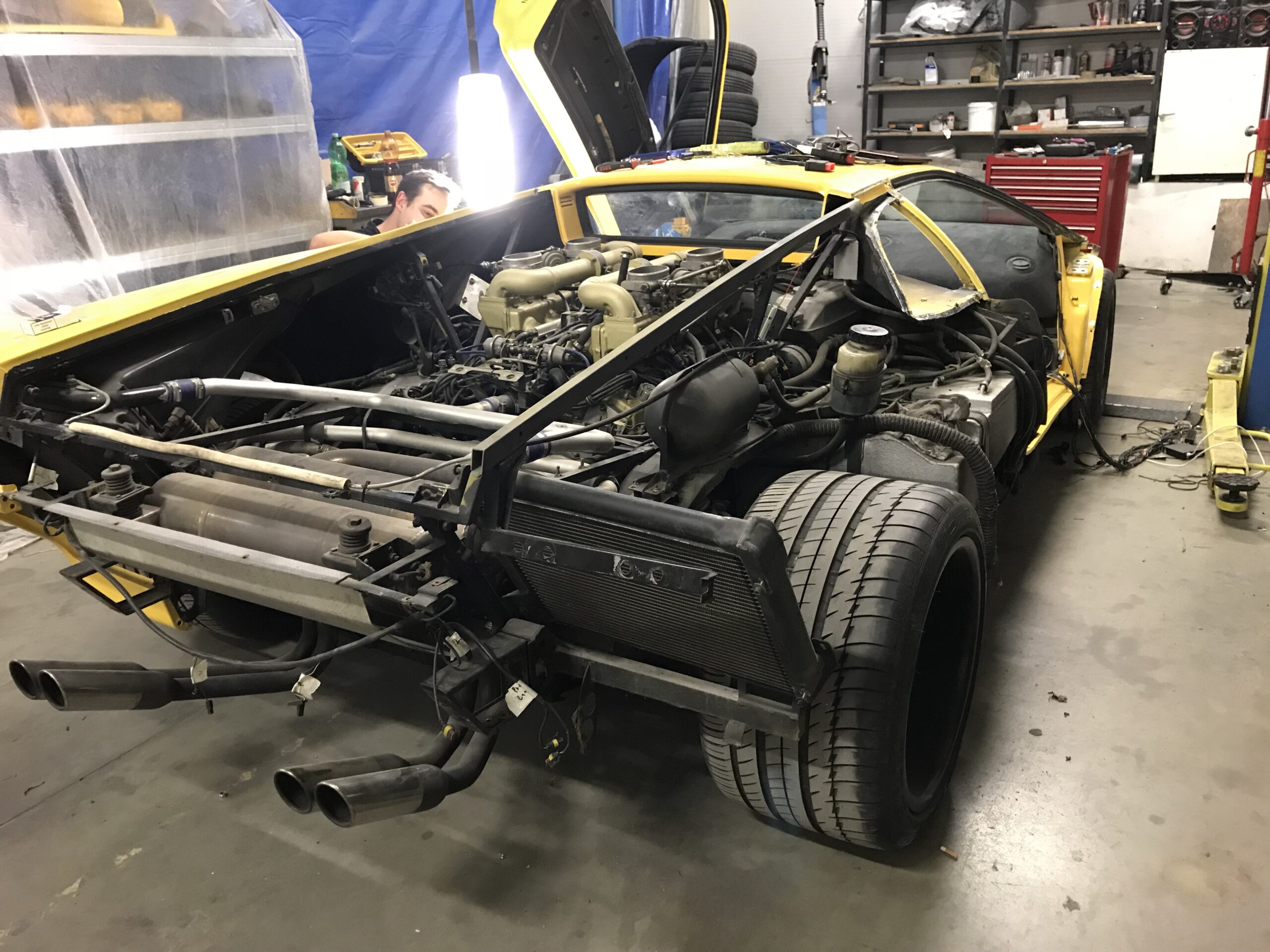
Complete disassembly of all parts for detailed inspection and repair planning.
2
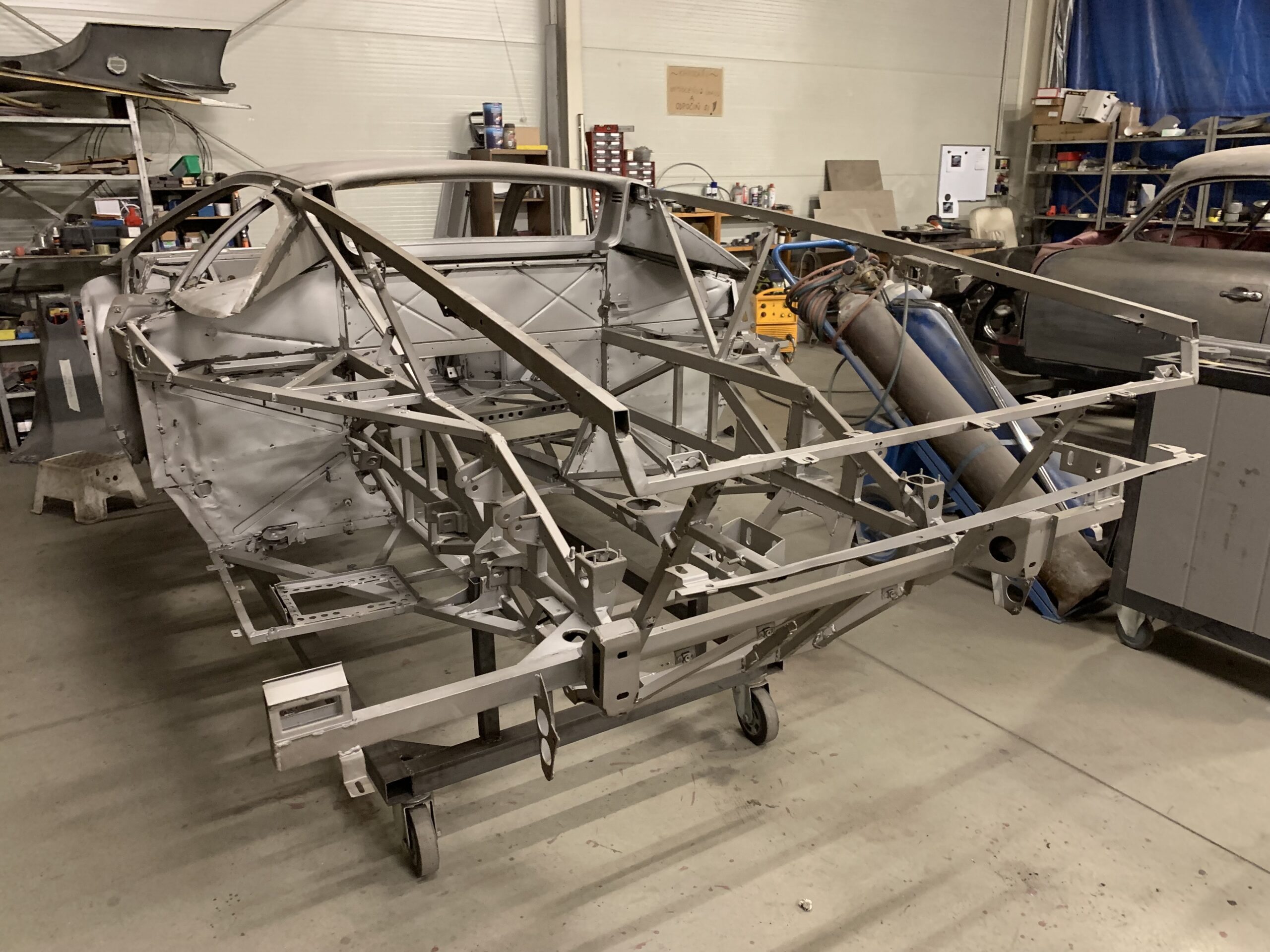
Metal work
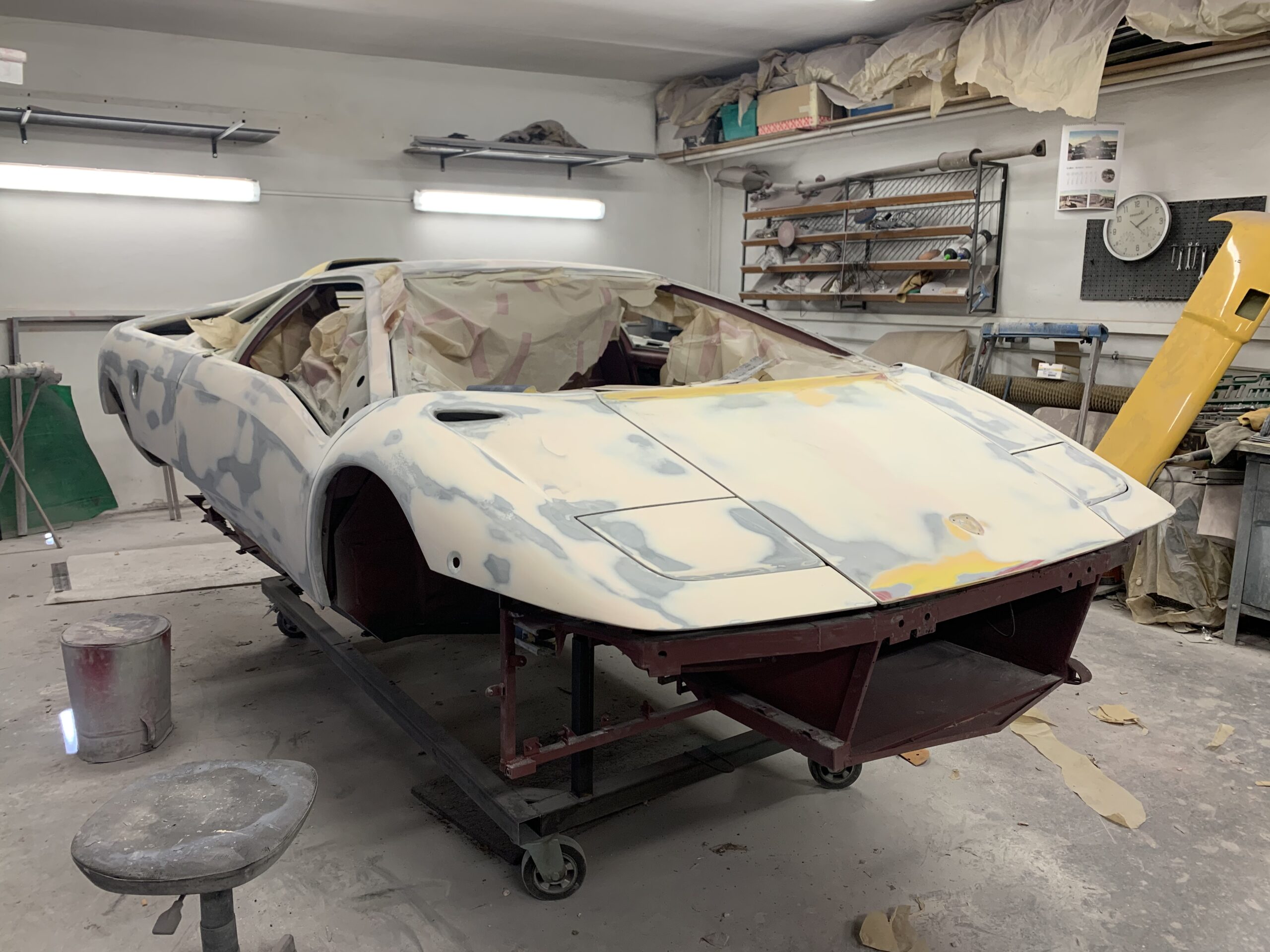
Removal of all corrosion, repair of damaged body parts, sanding and fitting before preparing the vehicle for painting.
3
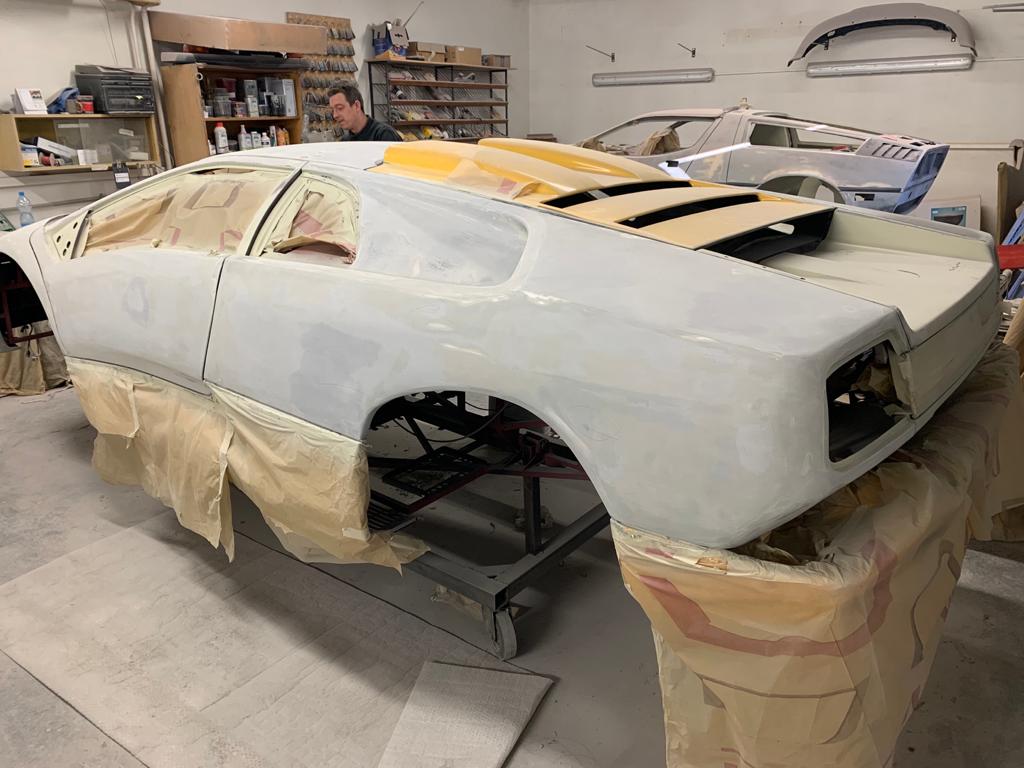
Paint work
Careful preparation for painting the body, including the assembly of all visible and chrome parts for securing.
4
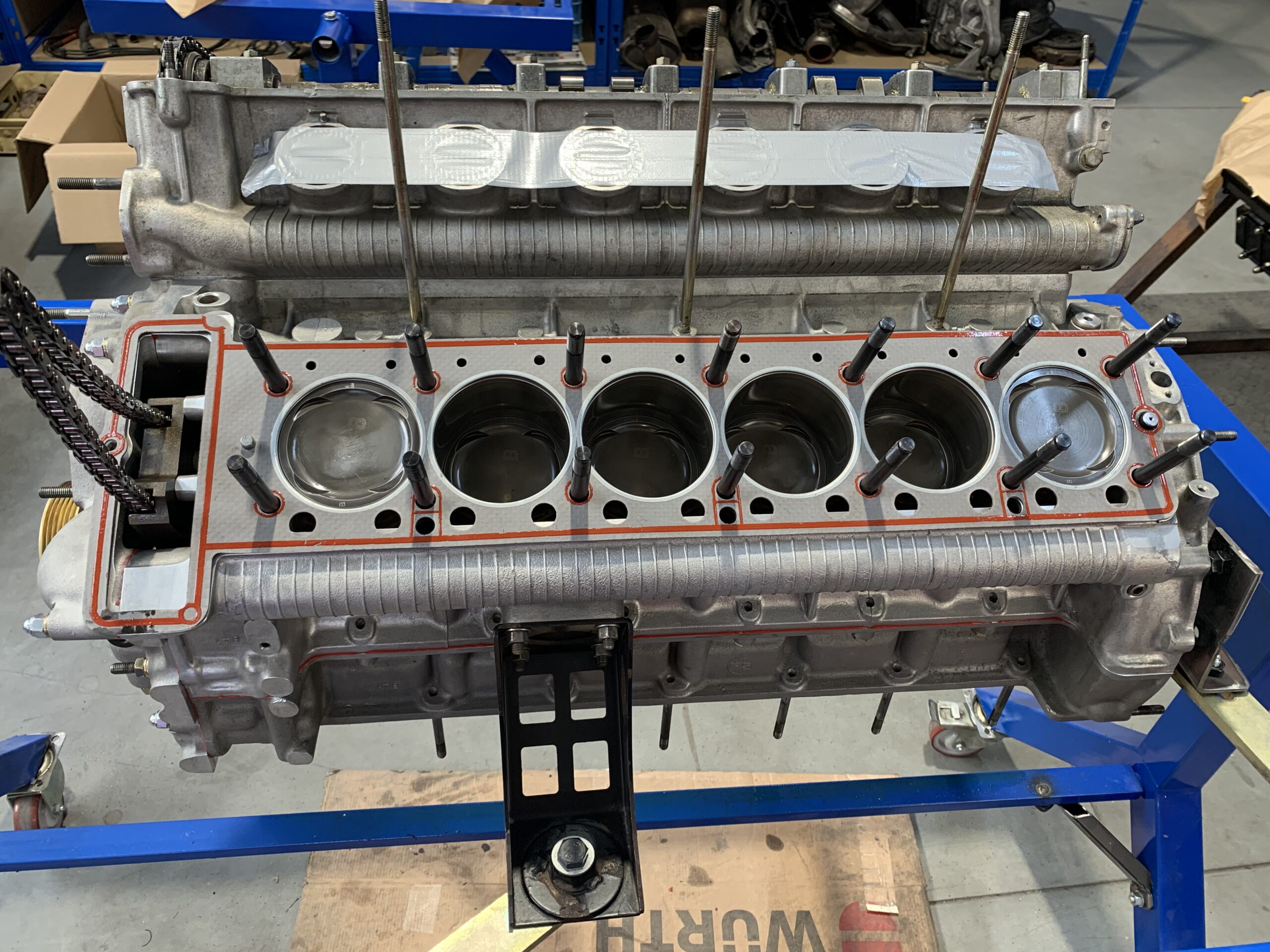
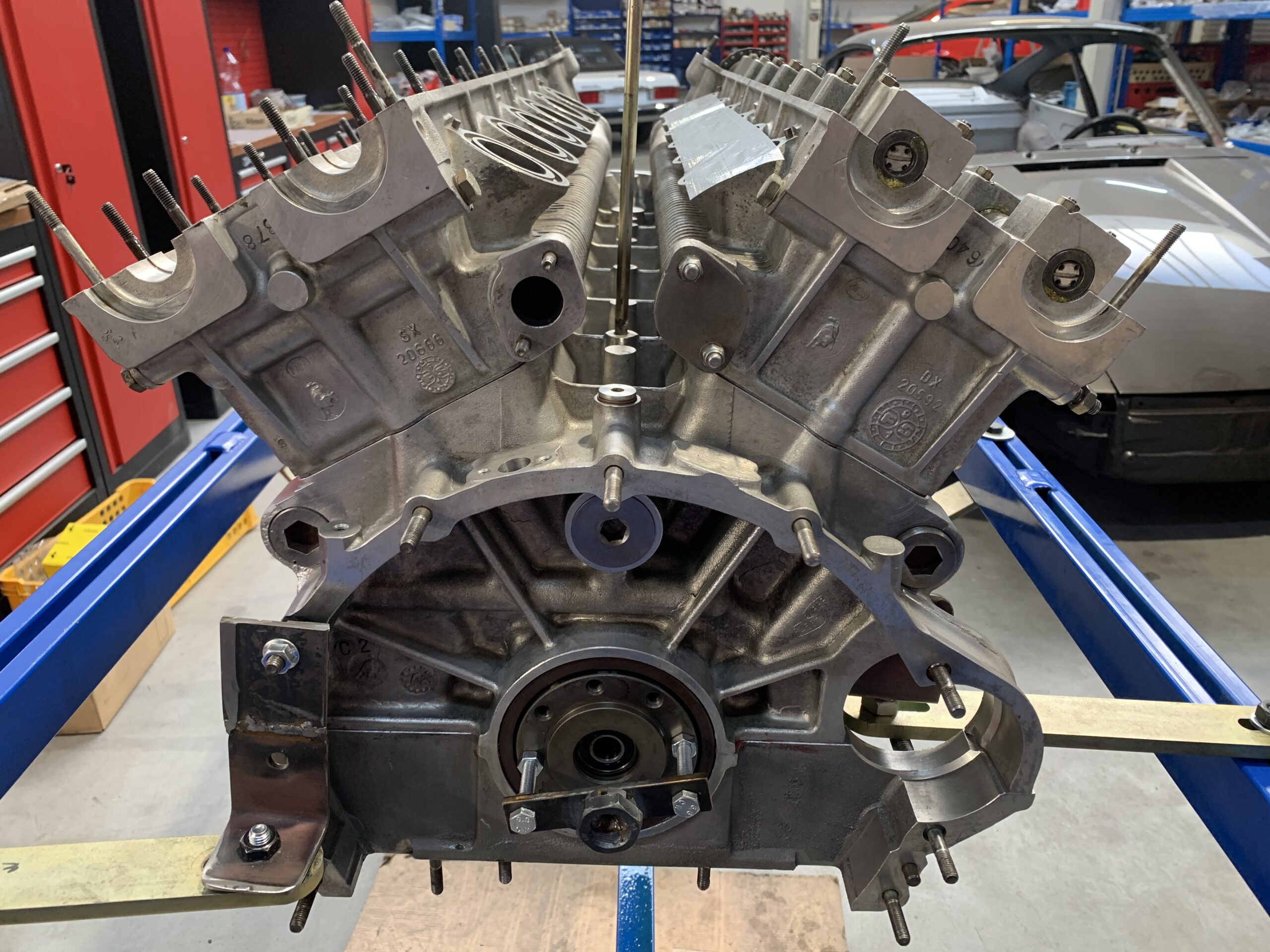
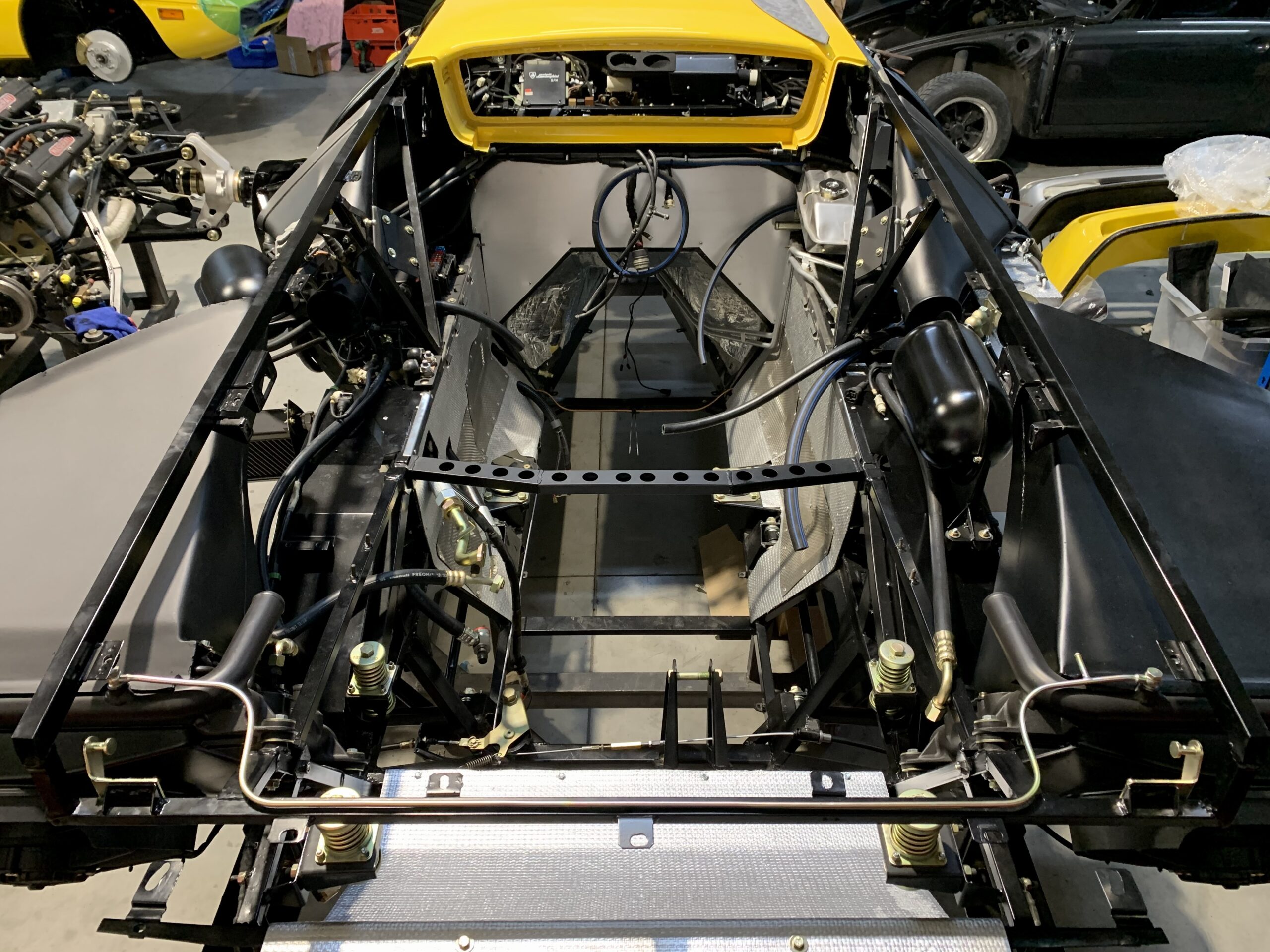
Preparation of mechanical components
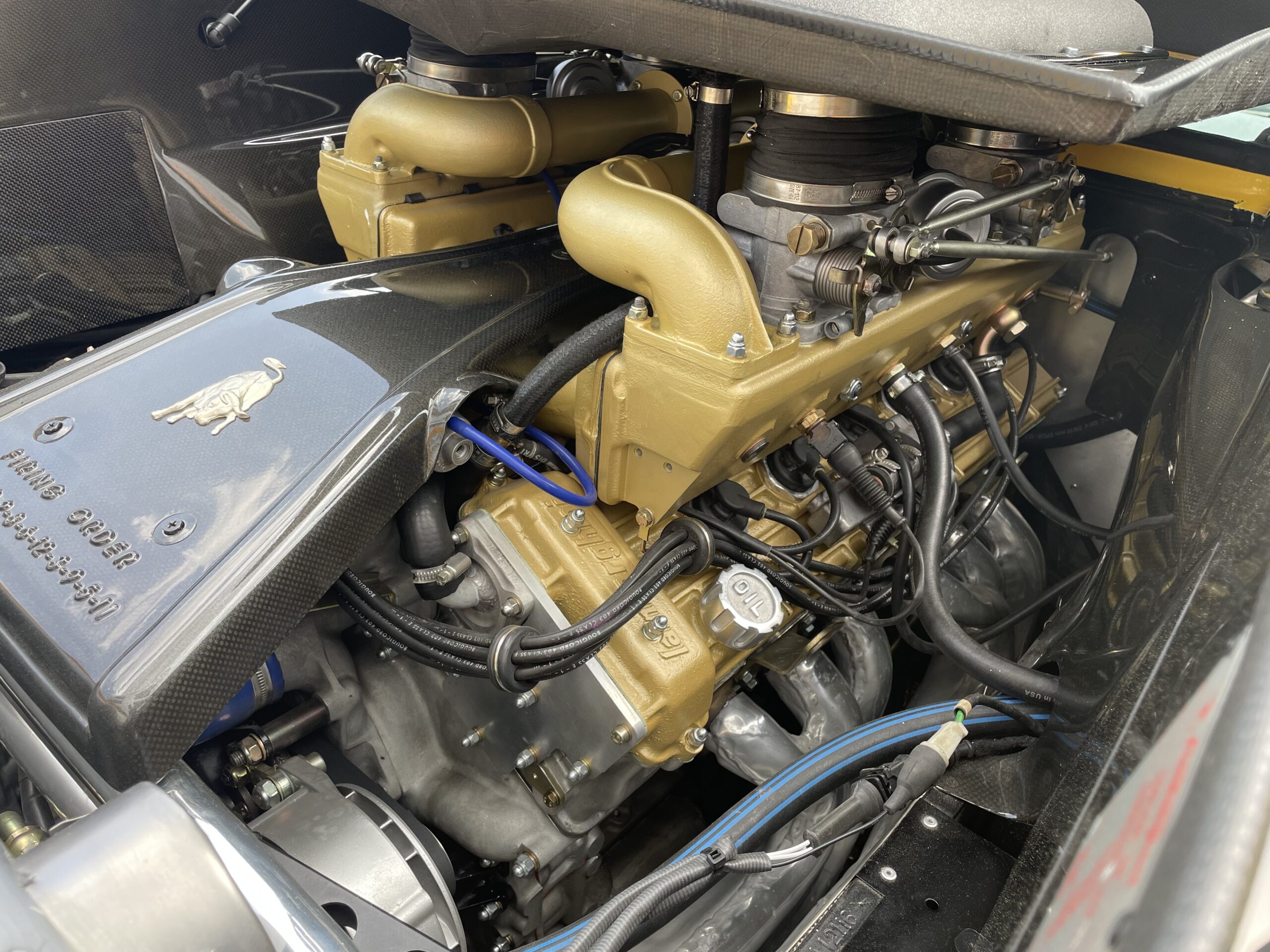
Complete restoration of the engine, transmission, differential, and parts of the chassis, so that the components are ready for final assembly.
5
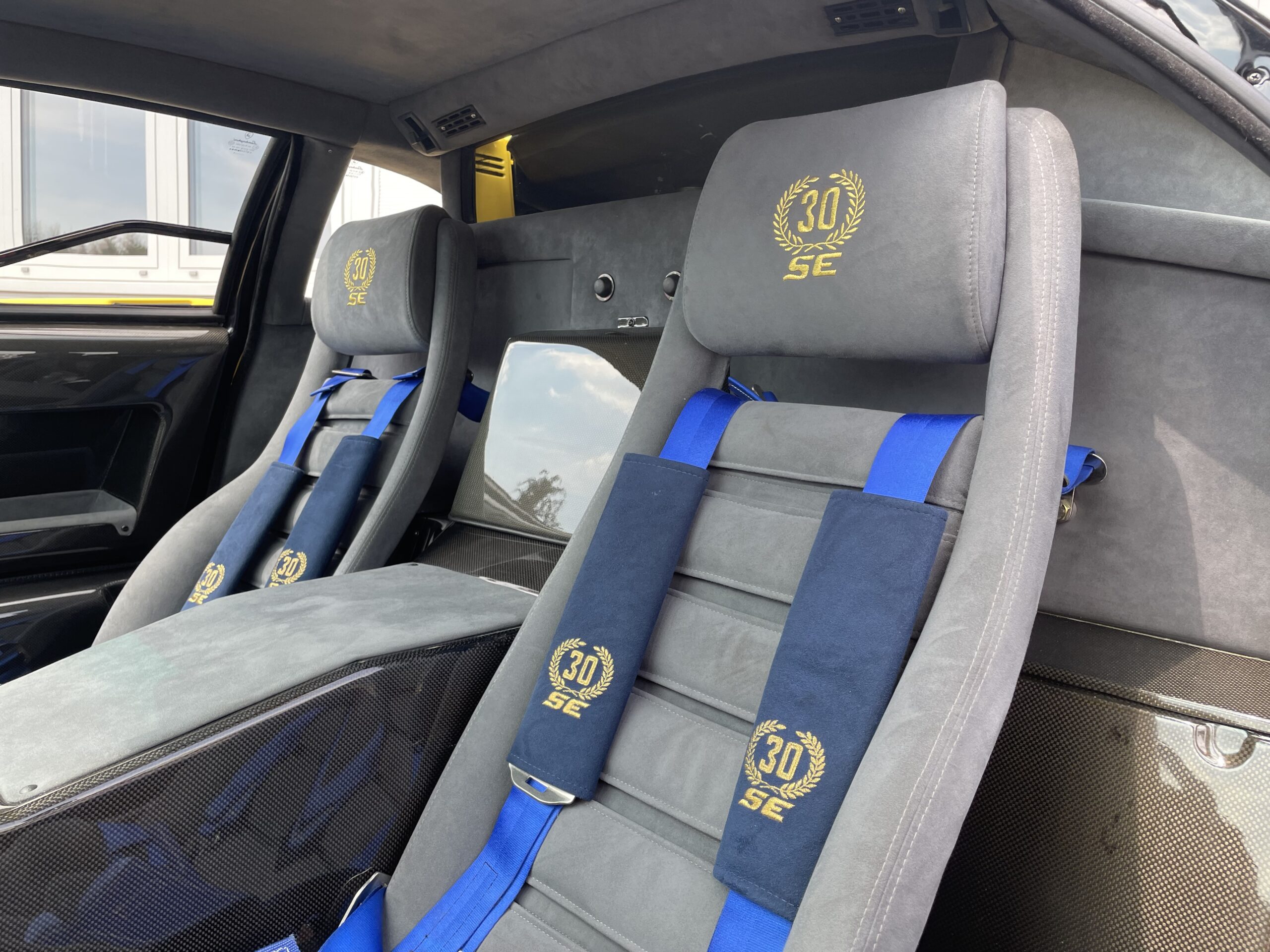
Interior restoration
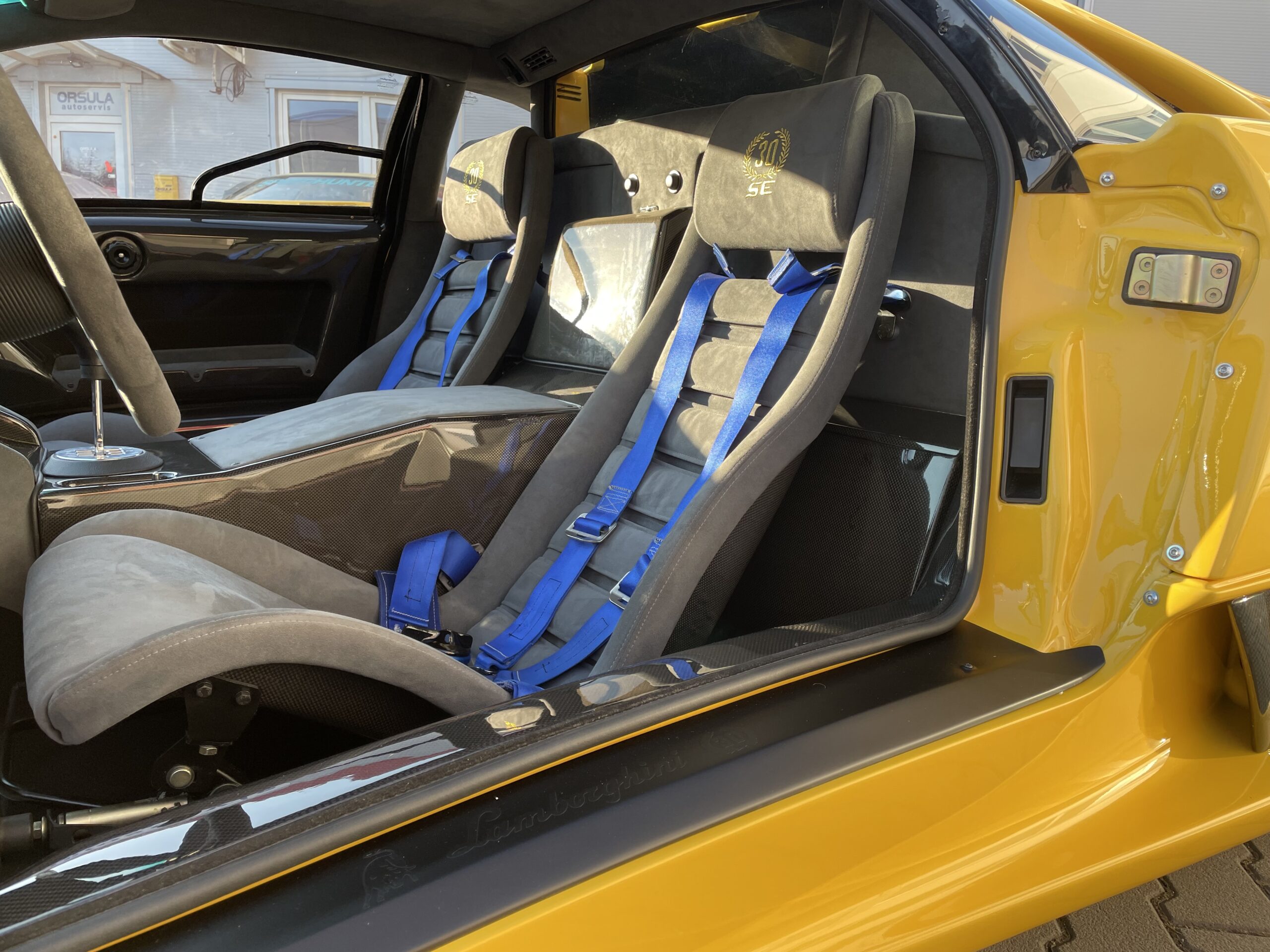
Restoration of leather upholstery, repair or replacement of electronics, cleaning and polishing of all interior elements.

6
Final vehicle assembly
The pre-prepared parts can finally be fitted to the vehicle after painting.
7
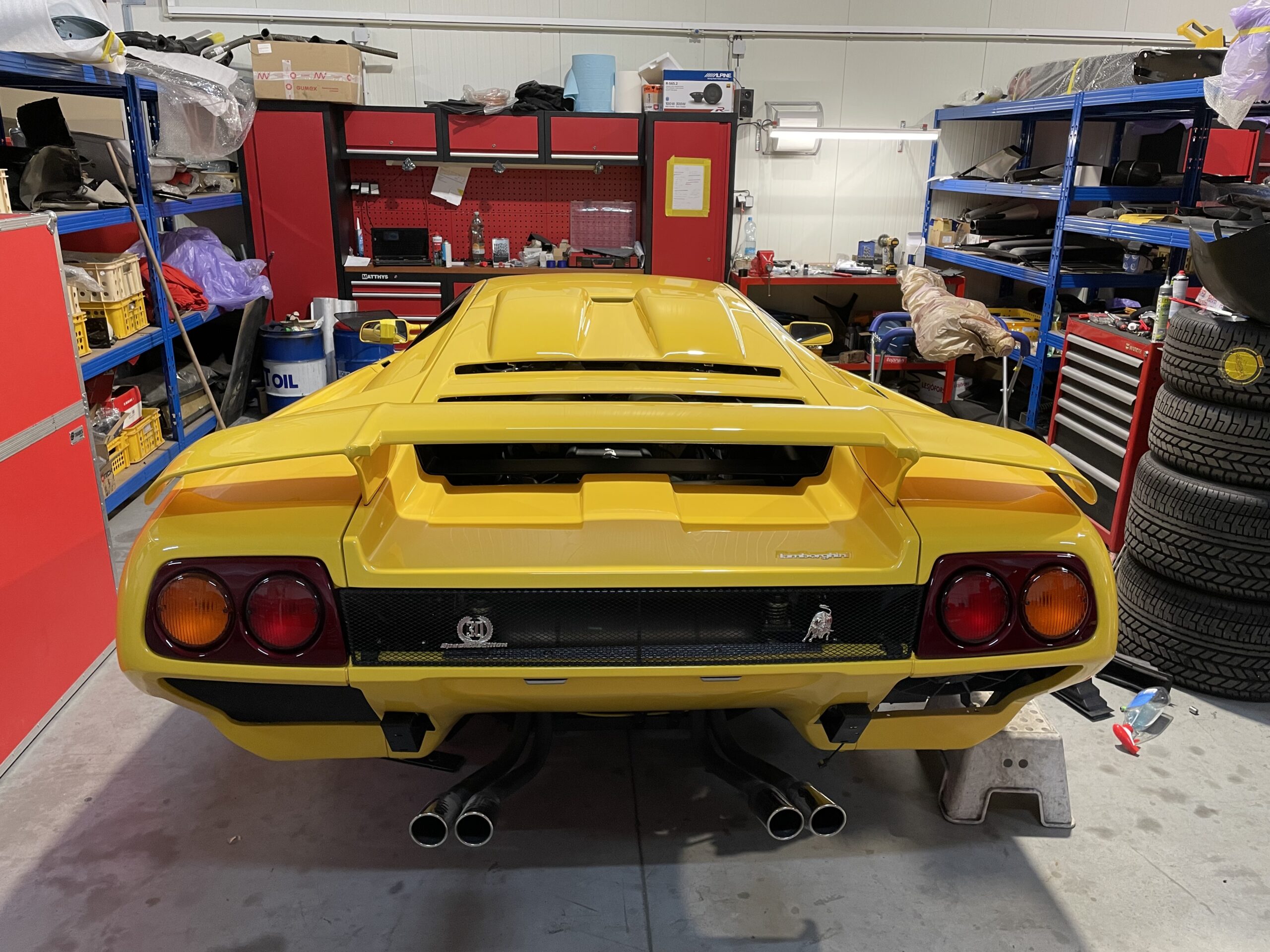
Final vehicle assembly
In the final stage, all prepared parts are assembled into the vehicle with the cooperation of mechanics and upholsterers. After final assembly, the functionality and fit of all parts are checked.
Result
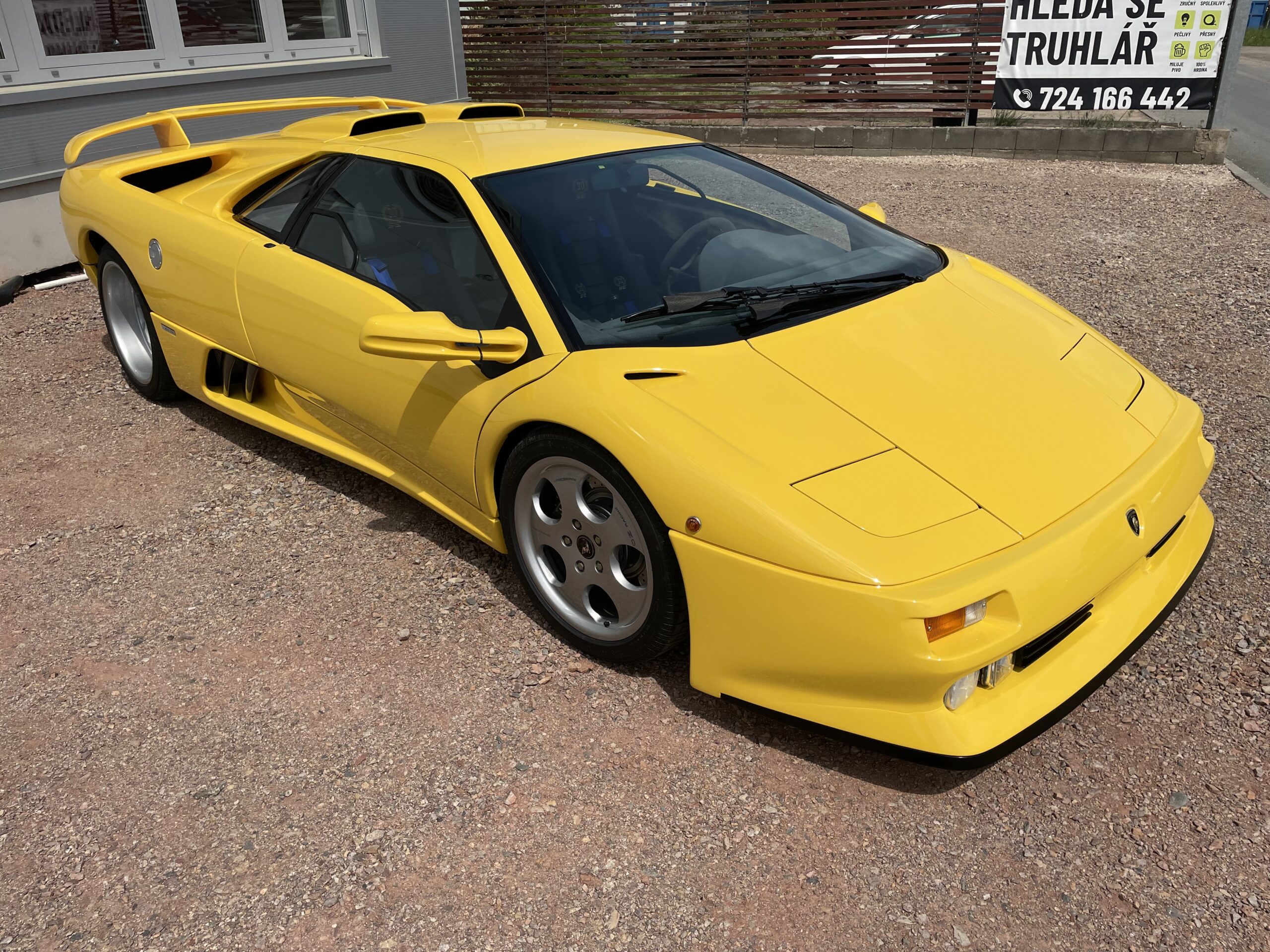
The resulting restoration restored the car to its original SE30 Jota specifications. Technical and visual elements were restored with an emphasis on accuracy, originality, and functionality of the racing modifications. The car thus meets historical and collector's requirements and represents the authentic form of one of the rarest versions of the Diablo model.